

Mobile Cranes
Request a Job Quote
Submit a Quote Form and a Southway Sales Representative will be in contact with you as soon as possible.
GET A QUOTECapacities up to 800 Tons
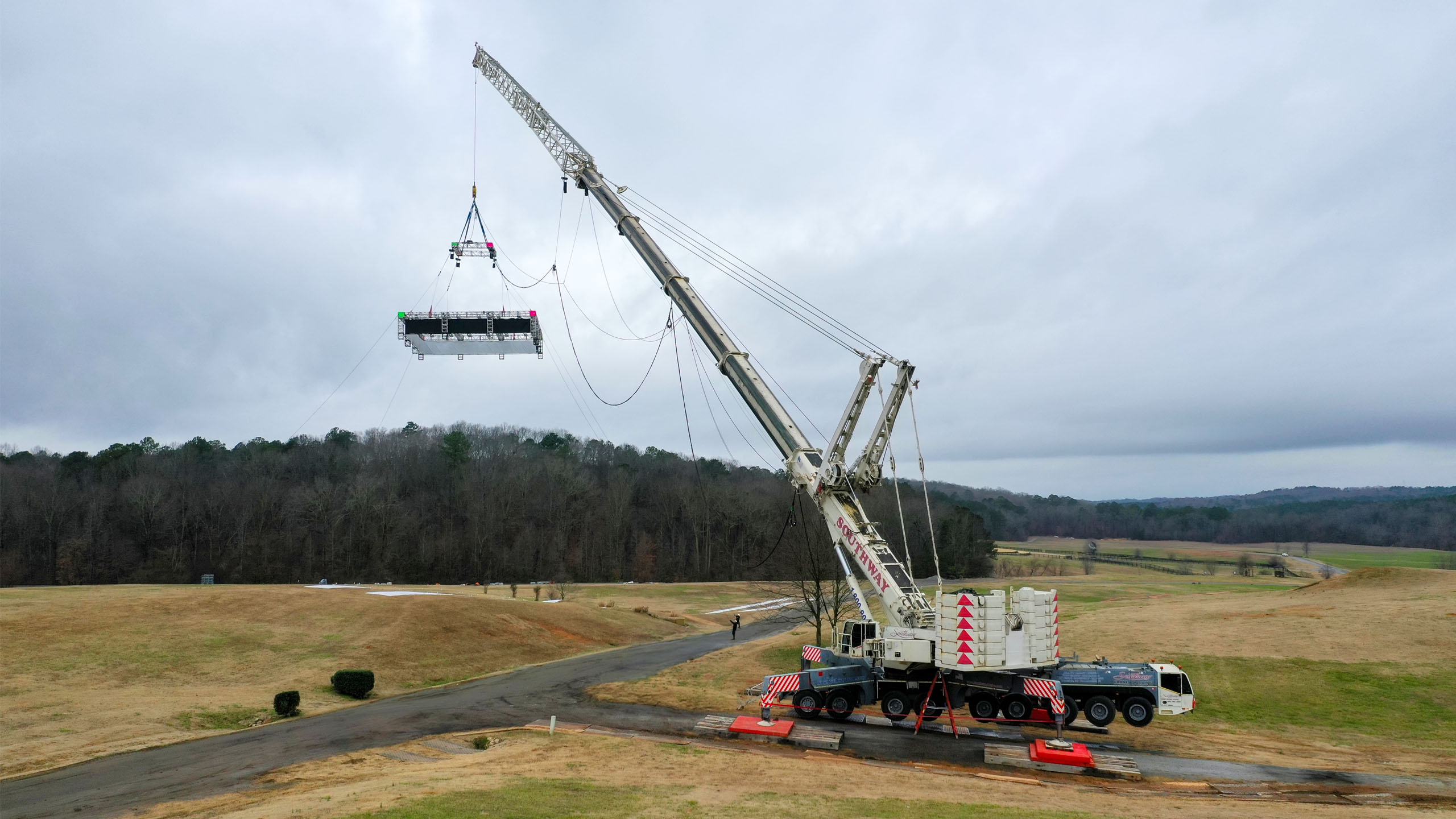
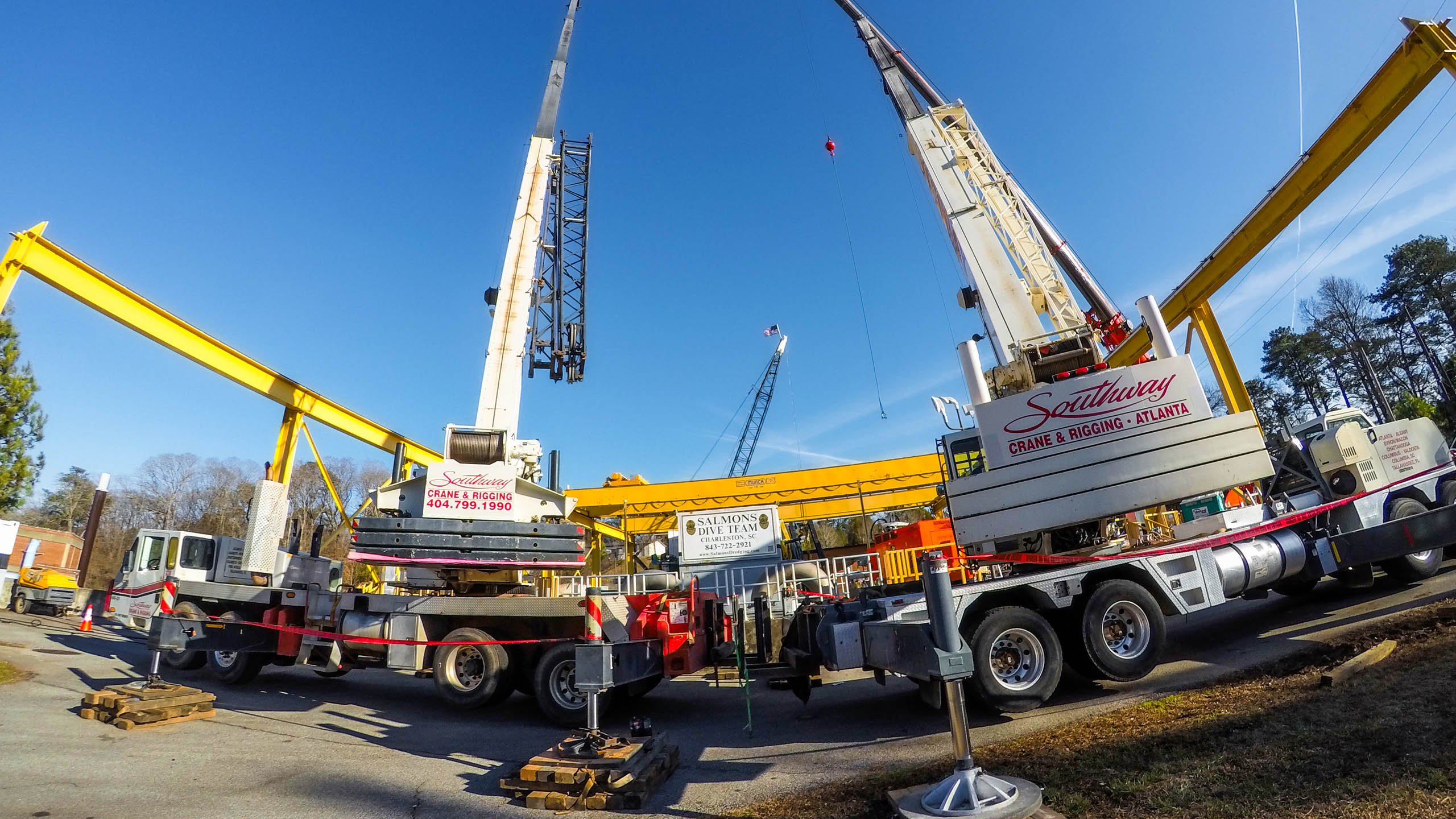
All-Terrain Cranes
All-Terrain Cranes boast large lifting capacities with efficient setup times making them ideal for infrastructure projects, alternative energy, tower work, and rooftop equipment. All-Terrain Cranes are equipped with multiple counterweight and jib configurations, allowing the crane to perform long reaches with ease.
Hydraulic Truck Cranes
Hydraulic Truck Cranes are multi-use cranes that are highway legal and feature an assortment of counterweight and boom configurations, making them great solutions for short-term or long-term projects.
Boom Trucks
Boom Trucks are Mobile Cranes featuring a telescopic boom on a truck chassis that provide impressive boom lengths for their size. Boom Truck Cranes are great for their versatility, efficiency, and mobility. Boom Trucks are a great solution for smaller lifts such as rooftop equipment, cell tower cabinets and antennas, sign work, and roof trusses.
Carry Deck Cranes
Carry Deck Cranes are for hoisting a load in a confined space, placing a load on the crane deck, and subsequently moving the load to another location on site. Carry Deck Cranes are a great solution for jobs that require a crane that can pick and carry a load over short distances.
Browse Crane Library
Technical Specifications | Crane Capabilities | Load Charts
Frequently Asked Questions
All-terrain cranes versus hydraulic truck cranes?
All-terrain cranes feature specialized chassis with hydro-pneumatic suspension systems and multi-axle steering that allow them to operate on both highways and rough terrain, while hydraulic truck cranes are mounted on standard truck chassis primarily designed for road travel. All-terrain cranes offer superior off-road capabilities with features like all-wheel drive and adjustable outrigger configurations, making them ideal for sites with challenging access, whereas hydraulic truck cranes excel in quick mobilization for projects near paved roads where their highway-legal design enables rapid deployment between job sites.
Do mobile crane rentals include a certified operator?
Mobile crane rentals are available as either operated and maintained rentals, which include a certified operator and crew, or as bare rentals where you provide your own qualified personnel. At Southway Crane, our operated rentals include NCCCO-certified operators who bring the expertise and safety protocols required for compliant crane operations, while bare rentals give you the flexibility to use your own certified operators when you have qualified personnel on staff.
Are carry deck cranes suitable for indoor facility work?
Carry deck cranes are specifically designed for indoor facility work and confined spaces, with compact, low-profile designs that allow them to navigate through standard doorways, narrow aisles, and tight manufacturing environments. Their maneuverability makes them ideal for warehouses, production floors, and industrial plants where larger cranes cannot access, and they can pick, carry, and place loads in areas with overhead obstructions or limited clearance.
How do I choose the right crane?
Choosing the right crane requires evaluating your lift requirements including load weight, radius from the crane to the load center, lift height, and site conditions such as ground bearing capacity and access restrictions. Southway Crane’s experienced team reviews your project specifications, conducts site assessments when needed, and recommends the appropriate crane type and capacity from our extensive fleet, ensuring you have equipment matched to your specific application whether it requires the reach of an all-terrain crane, the compact footprint of a carry deck, or the versatility of a hydraulic truck crane.
How quickly can a mobile crane be set up on site?
Mobile crane setup times typically range from 30 to 60 minutes for standard configurations, though larger cranes with complex rigging or counterweight requirements may need several hours depending on the specific lift plan and site conditions. Setup involves deploying outriggers, positioning crane mats for ground support, conducting pre-operation safety checks, and assembling any additional boom sections or jibs, with actual times varying based on crane size, configuration complexity, and whether the site has been properly prepared in advance.
What is the maximum lifting capacity of a mobile crane?
Southway Crane’s mobile crane fleet offers capacities up to 800 tons, with lifting capacity varying significantly by crane type, configuration, and operating radius. Actual lifting capacity depends on multiple factors including boom length, load radius, ground conditions, and whether outriggers are fully extended, with each crane’s specific load chart providing precise capacity ratings for different configurations to ensure safe operations within manufacturer specifications and OSHA requirements.
How far in advance should I book a mobile crane rental?
We recommend booking mobile crane rentals at least two to three weeks in advance, particularly during peak construction seasons from spring through fall when demand is highest. Earlier booking ensures equipment availability, allows time for proper lift planning and permit acquisition, and often secures better rates, though Southway Crane also accommodates emergency and last-minute requests when equipment is available and urgent project needs arise.
Can a mobile crane fit in residential areas?
Many mobile cranes can access residential areas, with compact models like carry deck cranes and smaller hydraulic truck cranes specifically designed to navigate narrow streets, driveways, and tight spaces common in residential neighborhoods. The feasibility depends on factors including street width, overhead clearances from power lines and trees, turning radius requirements, and whether the crane needs to travel on residential roads or can be positioned from adjacent streets, making a site assessment valuable to confirm access and determine the most appropriate crane for residential projects.
What ground conditions are required for a mobile crane?
Mobile cranes require firm, level, well-drained ground with sufficient bearing capacity to support the crane’s outrigger loads, which can exceed 100,000 pounds per outrigger depending on the lift. The ground must be assessed by qualified personnel to determine its allowable bearing pressure, with crane mats or outrigger pads used to distribute loads when ground conditions are marginal, and sites should avoid areas near trenches, underground utilities, uncompacted fill, or slopes that could compromise crane stability during operations.